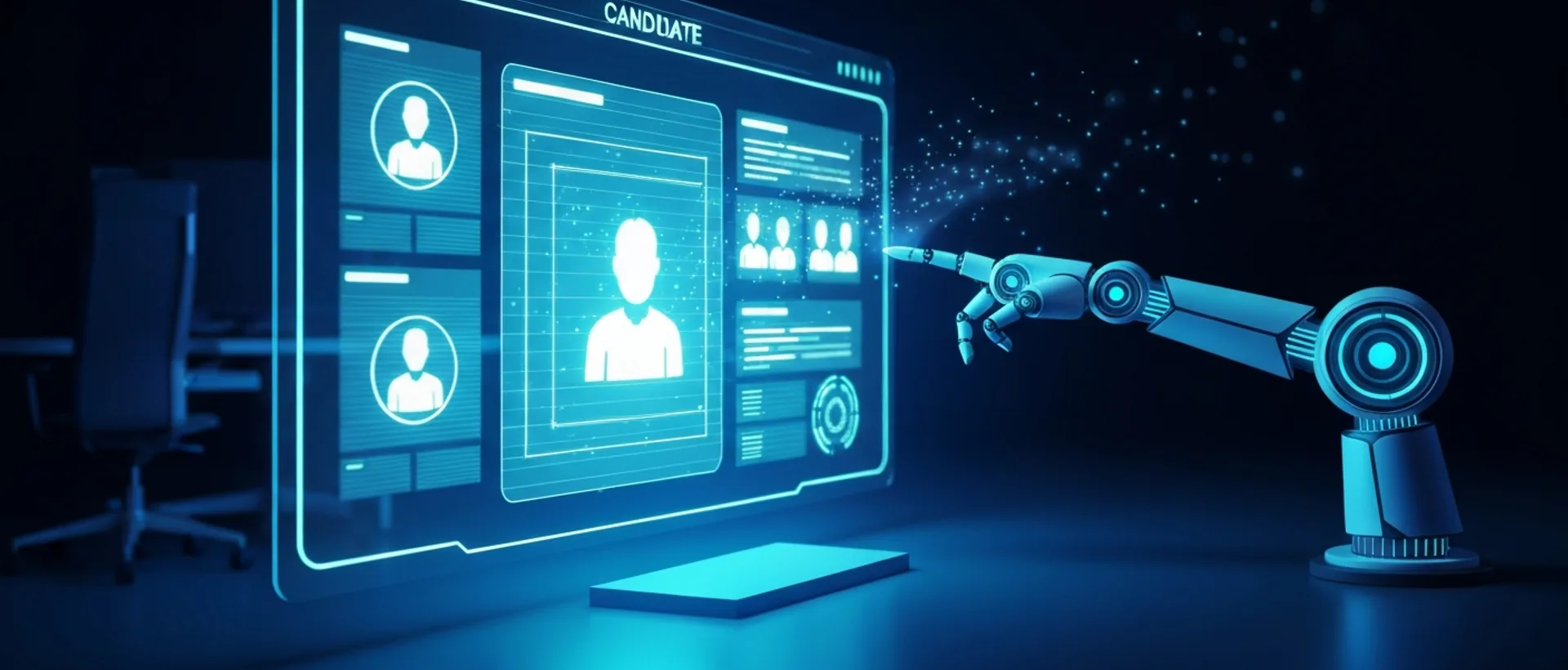
AI in HR: The Myth of Impartiality in 2026
The talk that AI ‘eliminates biases’ in HR is dangerous nonsense we need to debunk. In 2026, still thinking an algorithm is neutral, especially when trained with data full of human bias, is absurd. The inconvenient truth is that fair artificial intelligence in HR is a distant dream, not a reality that appears out of nowhere. Without close human oversight and serious auditing, AI just takes existing biases and pushes them forward, only in a way that’s harder to see and fix.
It’s time to stop fawning over technology and face the impact of biased AI in HR, which can spread widespread discrimination. This destroys diversity and fairness in companies, all under the guise of being “efficient.” For me, anyone defending AI as a magic bullet for everything in HR is living in a bubble or, worse, trying to pull a fast one on someone. AI in HR biases isn’t a bug; it’s a feature of the system if we’re not careful.
Current Challenges and the Urgency of Avoiding Algorithmic Biases
Despite all the technology, AI challenges in the selection process remain robust. The way we collect and organize data to “teach” AI almost always repeats and even worsens biases of race, gender, and wealth. How to reduce AI bias in recruitment isn’t just about pushing a button, but rather redoing everything in the way we build and test these systems. AI HR bias legislation 2026, however necessary, is just the beginning of the conversation.
I confess that for a long time, I myself thought technology would solve everything. That machines were more “rational” than us. How naive! AI tools for ethical hiring need HR algorithm transparency and a commitment to continuous auditing of hiring algorithms. Without this, we’re just swapping human bias for machine bias, and that can be much more insidious.
Just think: if AI learned from a hiring history where only white men were promoted, what do you think it will suggest? Exactly. It’s not evil, it’s just dumb enough to replicate what it sees. It’s like that friend who repeats everything you say without thinking.
The Inevitable Path: Best Practices and Radical Transparency
To achieve impartial recruitment with AI, bias-free AI best practices need to become the rule, not the exception. This involves having AI teams with diverse people and conducting rigorous equity tests at every stage of the algorithm. HR algorithm transparency is non-negotiable. Companies need to be able to explain how AI makes decisions, what it takes into account, and, most importantly, how they are actively removing biases. This “black box” AI narrative is a luxury we can no longer afford.
Would you let a bank make decisions about your credit without explaining why? No, right? So why would we accept that for our future jobs?
- Diversification: Build AI development teams that are as diverse as the population they will impact.
- Equity Tests: Implement rigorous tests at all stages of the algorithm to ensure it’s not discriminating against anyone.
- Clear Documentation: Detail every decision, every data point used, every adjustment made.
Achar que a IA vai resolver o RH sem a gente meter a mão é a maior ilusão de 2026. A máquina só reflete o que a gente ensina. Bora ser menos ingênuo e mais vigilante! #IANoRHVieses #RHDoFuturo
— @blogdoRH no X
The benefits of AI without discrimination will only appear when the industry stops running from responsibility and embraces the complexity of creating truly just systems. This goes far beyond just following AI HR bias legislation 2026.
The Future of HR: Auditing, Responsibility, and the End of Naivety
Auditing hiring algorithms needs to become a normal and constant process, not something we do once and forget. Tools and methods for finding and correcting biases need to be embedded in the daily creation and use of AI. Responsibility cannot be offloaded to the machine. Companies and HR professionals are the ultimate guardians of ethics, ensuring that AI is a tool for equality, not a shield for discrimination. You can’t outsource your brain to software, right?
In 2026, the conversation about AI in HR is no longer “if it has biases,” but “how we continuously combat them.” Laziness is the greatest enemy of impartial recruitment with AI and the benefits of AI without discrimination that we so desire. Continuous effort and extensive oversight are needed to ensure that AI in HR biases are an anomaly, not the rule.
Ready to scale this idea?
Narratron turns topics like this into retention-optimized YouTube scripts in under 2 minutes — magnetic hook, structure, complete SEO, timestamped description and thumbnail prompt ready to ship. 50 free credits, no card required.