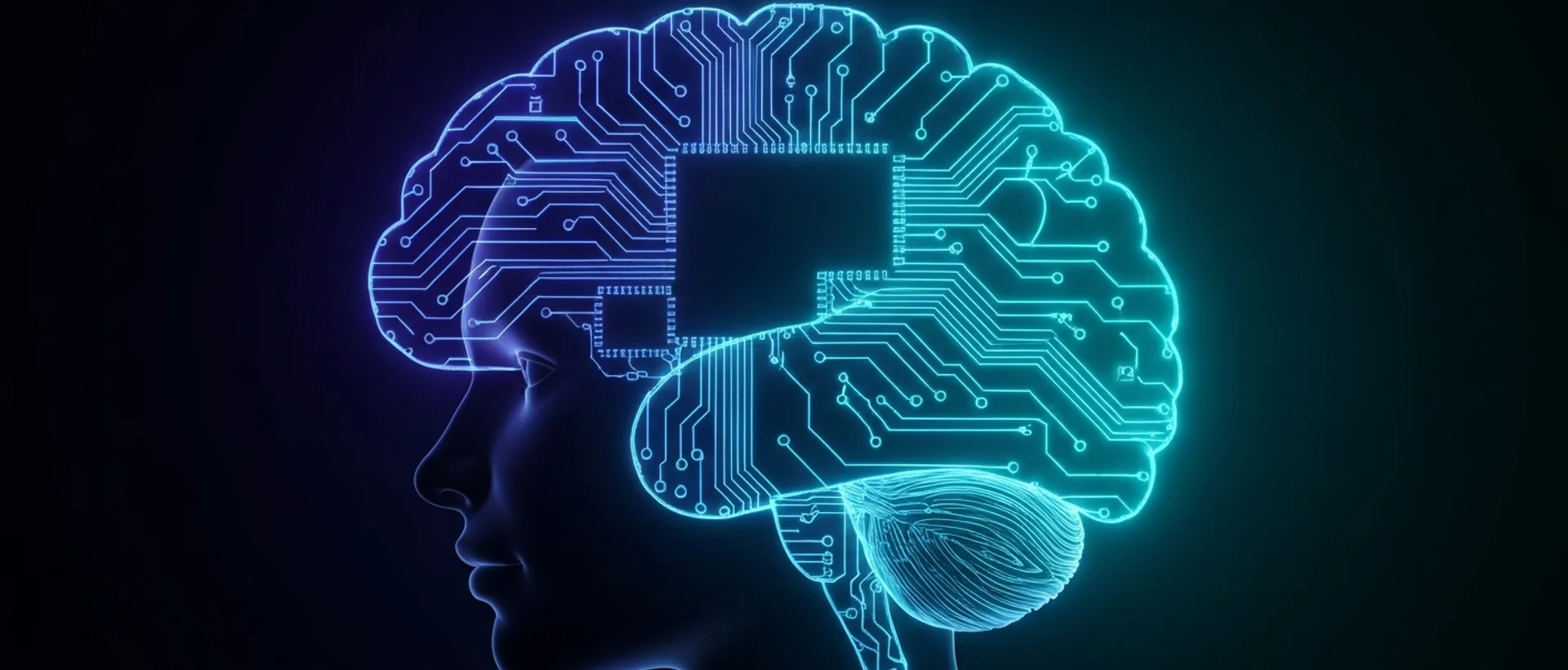
AI Is Not Conscious in 2026: The Cold Reality
Let’s be very direct here: AI is not conscious in 2026, and anyone who says otherwise is completely off their rocker. Machines, however smart they may seem, operate on algorithms and a whole lot of data. There’s no self-awareness, no feelings, no ‘self’ there. Period.
The “intelligence” we see in AI is a very sophisticated simulation. It crunches information, finds patterns, and makes decisions. All without truly understanding what it’s doing, without subjectivity. It’s like a super intelligent parrot: it repeats complex things, but doesn’t grasp the meaning.
Our consciousness, the human kind, is a whole different ballgame. It has emotion, perception, an integrated experience of the world. AI is just a symbol processor, no matter how much they try to sell a different story. There isn’t a single piece of scientific or technological evidence suggesting that consciousness in AI is possible by 2026, or even in the near future. This is a conceptual leap that ignores how AI actually works, and it’s a shame to see good people falling for it.
The confusion happens because AI can imitate human behaviors in a way that’s unsettling. But imitating is not being. It’s like an actor who plays a role brilliantly, but isn’t the character. And there are actors we’d swear are the character, right? But it’s just talent.
[!GIF] mind blown explosion
The Reality of ‘Consciousness in AI’: Algorithms Versus Soul
The idea that “artificial intelligence has consciousness” is one of the biggest fairy tales of our era. AI is a powerful tool for solving complex problems, but it doesn’t “feel” or “think” like us, who are living beings. I, for example, feel incredibly lazy repeating the obvious, but it seems necessary.
The big difference between AI and human consciousness lies in the origin and nature of intelligence. AI is built, designed, assembled. Human consciousness, ah, that arises from biological processes and a lot of subjective experiences we live through. It’s a different league.
Can machines think like humans? No. They can simulate human thought, of course, by processing data and finding patterns. But without introspection, without that inner voice that tells you “oops, I messed up,” you know? It’s just advanced mathematics.
When they talk about strong artificial intelligence, they’re referring to a hypothetical AI that would have human cognitive capabilities, including this so-called consciousness. But, my friend, we are far from that. The feasibility of that is more a topic for philosophers and scientists than for engineers in 2026.
“Attributing consciousness to AI today is like attributing consciousness to a calculator: it performs complex operations, but doesn’t ‘understand’ what it’s doing.”
AI merely simulates intelligence. It doesn’t experience the world, it has no desires, fears, or ambitions. It’s like a mirror that reflects patterns. It’s brilliant, but has no life of its own. It has no soul, for those who like that metaphor.
[!GIF] robot confused
The Future of AI and Consciousness in 2026: Challenges and Myths
The challenges of artificial consciousness are enormous. They go far beyond the processing capacity we already see out there. They touch on fundamental questions about what mind is and what experience is. It’s a much deeper rabbit hole.
Why isn’t AI alive? Because it has no metabolism, doesn’t reproduce, doesn’t evolve biologically. And, most importantly, it cannot feel and experience the world subjectively, like us. In 2026, the focus of AI research is still on making it smarter to learn, reason, and interact. Not on giving it consciousness.
Does AI have feelings? Not at all. What might seem like an emotional response is just a programmed outcome designed to imitate an emotion, based on data analysis. It’s performance, not feeling. It’s like an actor who cries in a scene, but isn’t truly sad. They are acting.
A IA pode gerar uma poesia linda, mas ela não ‘sente’ a beleza das palavras. É um algoritmo incrível, não uma alma. #IANaoSente #IAConscienteÉMito
— @techsincera no Threads
Continuing to feed these myths about AI consciousness only distracts our attention from the real problems that AI brings. Like algorithmic bias or the impact on the job market. These are things we need to discuss now, not whether Alexa will turn into Skynet next year.
AI: Powerful Tool, Not an Entity with a Soul
It’s crucial to understand AI for what it really is: a lot of advanced technology to process data and perform tasks. It’s not an entity with intentions or self-awareness. If we don’t understand this, we will continue with this mistaken idea that AI is not conscious in 2026.
The future of AI and consciousness in 2026 won’t bring robots with minds of their own. It will bring more efficient systems to automate, analyze, and improve processes. Think factory automation, more accurate medical diagnoses, or safer autonomous cars. That’s what’s coming.
We’re fascinated by the idea of artificial consciousness, it’s natural. But often we forget the complexity of biology and neuroscience that underpin human consciousness. It’s something science is still trying to unravel in ourselves, let alone in a machine.
Instead of fearing a “revolt of conscious machines” — which is a huge exaggeration, let’s be honest — we should focus on how to use AI in a responsible and ethical way. May it serve us, and not create more social problems.
A verdadeira discussão sobre IA em 2026 não é se ela tem alma, mas como garantimos que ela serve à humanidade sem criar novas desigualdades. #FuturoDaIA #IAResponsável
— @FuturistaReal no X
AI is an extension of our intelligence, a tool. It’s not a substitute for the consciousness that defines us as living beings. And anyone who still thinks AI is not conscious in 2026 will be surprised, but not by thinking robots, but rather by its ability to help us solve real-world problems.