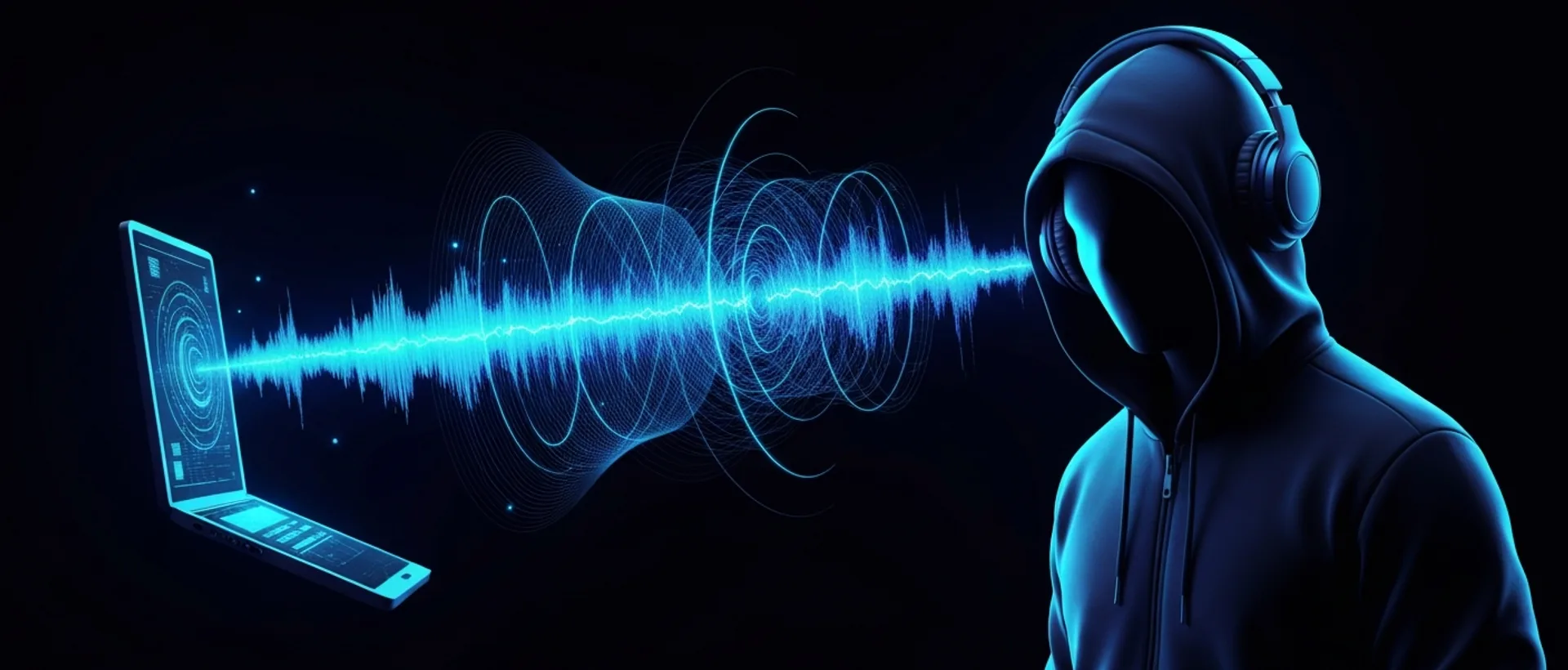
The Farce of ‘Sonic Attacks’ and the Real Hidden Threat in Audio
Many people still think that cyberattacks via audio are something out of a bad sci-fi movie. Like, “the villain makes a sound and the computer explodes.” Wrong. While the media is distracted by spectacular ransomware news, real hackers are already exploiting the subtleties of sound to steal your data, and you don’t even notice. To be honest, most security companies are asleep at the wheel.
This ‘sound hacking’ story goes far beyond a spy microphone. We’re talking about PC acoustic vulnerabilities 2026 that allow hardware and software to be manipulated without leaving a digital trace. If you think you’re safe just because you put tape over your camera, I’m sorry to tell you, but the joke’s on you. Your microphone, and believe it or not, even your speakers, are open portals for invasion. Computer audio security is the Achilles’ heel no one wants to admit, but which criminals are already expertly exploiting.
Look, I confess, until a few years ago I also underestimated this. I thought it was paranoia. But after seeing some internal reports, it’s serious. It’s like the team’s goalkeeper thinking the ball only comes from above, while the striker is already dribbling underneath.
How Hackers Use Audio: A Silent and Perverse Invasion
No, hackers don’t need some outlandish ‘sound virus.’ They use ultrasonic waves, the ones we can’t hear, to manipulate sensors and accelerometers in your devices. Think about it: ultrasonic attacks on devices can secretly activate voice assistants, inject malicious commands, or even extract data from systems not even connected to the internet (the famous air-gapped ones). It’s an invasion that makes no sound.
Audio malware detection is almost impossible with current security tools, because the ‘signatures’ are ephemeral. They don’t leave that obvious digital trail an antivirus can catch. The impact of sound waves on digital security is vast, from disturbing hard drives to causing failures in sensitive electronic components. The audio security risks 2026 aren’t just espionage; it’s the ability to destabilize critical infrastructures using specific frequencies. That’s scary, right?
Unmasking False Protection: What You REALLY Need to Do
Turning off the microphone via software? That’s not enough. You need to disable it physically or use a hardware blocker. Why? Because the software can be compromised to reactivate it, my friend. Microphone espionage prevention requires a change in mindset. You have to view every acoustic component of your device as a potential attack vector. It’s like locking the front door but leaving the bedroom window open.
Firmware updates, not just software, are crucial to mitigate acoustic vulnerabilities in PCs. Many flaws are in the hardware itself. No one talks about it, but it’s the reality. Sound system cybersecurity is a new frontier. Security audits need to include penetration tests focused on audio and ultrasound. We have to stop being naive.
“The naiveté of companies regarding acoustic security is astounding. They armor the doors, but leave the windows open to ultrasonic frequencies.”
Invest in sound anomaly detection solutions. It’s a new technology that monitors acoustic patterns that don’t match the normal. It can indicate an intrusion.
Novo estudo revela que ataques ‘silenciosos’ via áudio aumentaram 400% em 2025. Seus fones de ouvido podem ser sua maior fraqueza. #Cibersegurança #AtaquesSonoros
— @CiberSecBr no X
The Inevitable Future: Adapt or Be Silenced
Denial about the dangers of audio in cybersecurity is a luxury we can no longer afford in 2026. If we stand still, there will be catastrophic loss. Companies and individuals must stop treating audio as a mere accessory. It’s a critical component of the attack surface, full stop.
The next generation of firewalls and antivirus needs to have acoustic analysis modules. Otherwise, they’ll be as useful as an umbrella in a digital hurricane. Education, my friend, is your best defense. Understanding how hackers use audio to attack is the first step to protecting yourself. Don’t wait for a disaster headline to learn.
If you’re not thinking about sound system cybersecurity now, you’re already behind. Silence can be deafening for your security. Cyberattacks via audio are no longer a whisper; they’re a scream most refuse to hear.
Alerta! A vulnerabilidade ‘GhostWave’ permite controle remoto de dispositivos via frequências inaudíveis. Seus fones de ouvido Bluetooth? Um microfone bidirecional para hackers. #TechSecurity #AudioHacks
— @TechLeaks no Threads