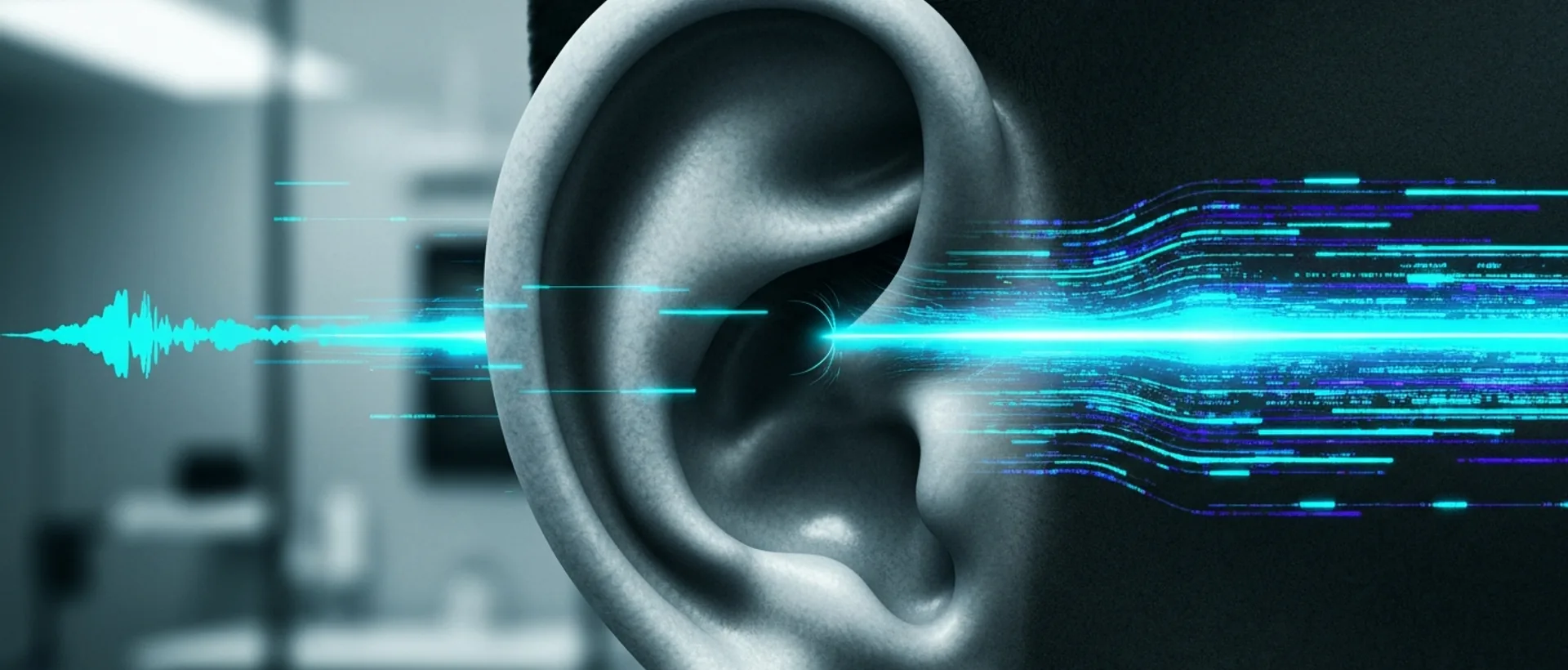
AI Voice Scams in 2026: The Harsh Reality
What’s up, tech and entrepreneurship folks! If you thought AI fraud was something out of a sci-fi movie, wake up to reality, my friend. In 2026, things got serious, and to be honest, it’s a terrifying mess. AI voice fraud is no longer a future threat; it’s a reality that has knocked on our door, and hard.
Think about it: Brazil saw a frightening 126% increase in AI-cloned voice scams in just one year [r7.com]. That’s no small feat. The country became the champion of Latin America, accounting for about 40% of cases [r7.com]. Can you believe it? How “voice cloning works” is terrifyingly simple: criminals need just a few seconds of your audio to replicate your voice with a precision that can fool even your own mother. The “fake voice scam” has evolved from generic calls to targeted attacks, using leaked data to create scenarios that make you fall for it hook, line, and sinker.
Cybersecurity, poor thing, is playing catch-up. The promise of total “AI voice cybersecurity” is pure illusion at the moment. The “new AI frauds 2026” go further: cloned voices now combine with video deepfakes, creating complete false narratives that are almost impossible to distinguish from reality. And the worst part: the cost of cloning and assembling these scams has become so cheap and replicable that any Tom, Dick, or Harry with bad intentions can do it [expertintegrado.com.br]. It’s enough to make you cry, isn’t it?
Unmasking the Illusion of Detection: Why You’re at Risk
The idea of “how to identify voice fraud” just by listening to some nuances or accents? Forget about it, my friend. That tactic is prehistoric. “AI voice cloning” has reached a level of perfection that challenges human perception, and I’m not just saying that; Folha de São Paulo confirms it [uol.com.br]. The human eye and ear can no longer distinguish what is real from what is manipulated in AI frauds [phizchat.com].
Anti-voice cloning tools are like an endless arms race. A new detection technology appears, and the cloning AI has already bypassed it in a matter of weeks. It’s a vicious and exhausting cycle that never stops. The “risk of voice cloning” goes far beyond losing some cash. We’re talking about reputation, extortion, and even manipulation on a political scale. The impact is systemic, folks. Sumsub’s 2025-2026 report recorded a 180% increase in sophisticated frauds combining various AI techniques globally [oscilar.com].
Many still think that “voice AI protection measures” are limited to strong passwords. But the truth is, we’re facing an attack on our perception of reality. The danger of “audio deepfake risks” lies in its ability to erode trust in digital communication. How will we know what’s true if our own voice has become a weapon?
“The era of voice as unquestionable proof has ended. In 2026, trusting your ears is a luxury we can no longer afford.”
Protect Yourself from Voice Scams: Counterintuitive Strategies for 2026
Okay, but what do we do so we don’t fall into this trap? The best “voice fraud prevention 2026” isn’t technological; it’s behavioral. Suspect everything that seems strange on a call, even if it’s from someone you know. You know that saying, “when the alms are too generous, even the saint becomes suspicious”? Well, apply it here with full force.
The first golden tip: create a code word with close contacts. Like, an “abracadabra” just for you two. If someone calls asking for something strange, demand that word. If the person on the other end doesn’t know it, rest assured, it’s a scam. Simple as that, but super effective. Don’t trust voice messages that demand urgent action, you know? Scammers use time pressure to divert your attention. Always, always, always call back the official number of the person or company, never the number that called you. And please, educate your parents, grandparents, aunts, uncles, and even children. They are the easiest targets and often the most vulnerable to falling for the “fake voice scam” [tecmundo.com.br].
We need to understand that “AI voice cybersecurity” isn’t a magic solution that will solve everything. The responsibility to “protect yourself from voice scams” falls, largely, on ourselves. Sophos has already warned that in 2026 we would see a significant increase in attacks focused on identity and deepfake fraud [securitymagazine.pt].
Brazil as the Epicenter: Why We Became a Preferred Target
Why Brazil, man? Why did we become the epicenter of this mess, with 40% of voice cloning cases in Latin America [r7.com]? One reason is the speed with which deepfake technology has become cheaper and more accessible, allowing the creation of fakes in seconds and on a large scale [uol.com.br]. We have a huge, connected population, and unfortunately, many are still learning to navigate this sea of digital information.
Take the “boss audio scam,” for example. It’s devastating small and medium-sized Brazilian businesses [expertintegrado.com.br]. The scheme is simple: they clone a superior’s voice and request urgent transfers. Who wouldn’t obey the boss? It’s a scenario of pressure and authority, perfect for the scam. There was even a tense case in Rio Grande do Sul, investigated since January 2026, where a military police officer is suspected of using AI to simulate his ex-partner’s voice and lure her parents with requests for help and reports of accidents [sitepd.org.br]. Man, that’s chilling!
The lack of specific and robust legislation for deepfakes also doesn’t help. While we discuss, criminals act. Underreporting is another serious problem: many deepfake losses end up being classified as other categories of fraud, masking the true extent of the damage [oscilar.com]. That makes it difficult even to map the enemy. And we, as content creators or entrepreneurs, end up being a double target: both as victims and as potential vectors of misinformation, if we’re not careful. To understand more about security challenges, check out our article on AI Security 2026: Urgent Challenges and Important Protection.
The Law Catches Up: What the Senate Is Doing (Or Trying To Do)
Given this chaotic scenario, at least the public sector is moving, right? It took a while, but it’s happening. Bill No. 1272, from 2023, currently in the Federal Senate, proposes creating the crime of “malicious alteration of videos or audios” [senado.leg.br]. The idea is to fill this gap in legislation that had nothing specific about deepfakes. The proposed penalty is imprisonment and a fine, which is a start.
But the truth is, the law always moves slower than technology. While the bill is being processed, scammers are innovating every day. The challenge is to create legislation that is effective but also doesn’t hinder the development of legitimate technologies. It’s a delicate balance, like riding a unicycle on a tightrope. The problem is that the interpretation of “malicious” can open a big can of worms. And how to prove intent? It’s a knot that jurists are still trying to untangle. If you want to delve deeper into the legal consequences, our team has already written about it in AI Voice Fraud 2026: Why Your Prevention Has Already Failed.
We need laws that keep up with the speed of AI, not the other way around. Because every day that passes without clear legal protection, more people fall for these scams. And it’s not just about punishing the criminal after the damage is done; it’s about creating a framework that discourages crime and protects citizens even before they become targets.
The Future of Digital Security: An Endless Fight?
Looking ahead, the truth is that the fight against AI voice fraud seems like an endless battle. Generative AI technology elevates the sophistication of scams, exposing the limits of traditional prevention models [saladanoticia.com.br]. The speed of AI evolution means that our defenses need to be constantly updated. We can no longer rely on old verification methods.
For us, creators and entrepreneurs, the message is clear: constant vigilance is the new routine. It’s our role not only to protect ourselves but also to educate our communities and clients. Create internal protocols in your company to verify requests for transfers or sensitive information by phone. Implement double-check systems for everything involving money. Think about secret keywords with your employees. We need to become more skeptical, more suspicious, and more proactive.
The era of digital innocence is over, folks. Your voice, which was your trademark, has become a weapon in the hands of criminals. It’s up to each of us to build a wall of awareness and caution. And if you think AI is only good for fighting credit card fraud, you’re wrong, and you can find out why in AI Fights Credit Card Fraud: Why You’re Wrong in 2026. The battle is tough, but we cannot give up. Your voice, and your security, are worth gold.
Sources
- https://record.r7.com/tim-fun/fala-brasil/video/fraudes-com-voz-clonada-por-inteligencia-artificial-aumentam-no-brasil-29062026/ ↩
- https://www1.folha.uol.com.br/tec/2026/06/golpistas-enganam-ate-especialistas-com-videos-vozes-e-imagens-falsas.shtml ↩
- https://www.phizchat.com/blog/golpes-com-voz-clonada-por-ia-no-brasil-em-2026-casos-reais-e-como-se-proteger ↩
- https://blog.expertintegrado.com.br/blog/golpe-do-audio-do-chefe-deepfake ↩
- https://oscilar.com/pt/blog/deepfakes ↩
- https://www.tecmundo.com.br/seguranca/412687-golpe-com-voz-clonada-por-ia-avanca-no-brasil-veja-como-se-proteger.htm ↩
- https://www.securitymagazine.pt/2026/01/21/sophos-alerta-para-novas-ameacas-de-ciberseguranca-em-2026-impulsionadas-por-ia-identidade-e-fraude/ ↩
- https://sitepd.org.br/2026/04/28/clonagem-de-voz-por-ia-populariza-fraudes/ ↩
- https://legis.senado.leg.br/sdleg-getter/documento?dm=9292780&disposition=inline ↩
- https://portal.saladanoticia.com.br/noticia/57482/ia-generativa-eleva-sofisticacao-dos-golpes-e-expoe-limites-dos-modelos-tradicionais-de-prevencao ↩
Ready to scale this idea?
Narratron turns topics like this into retention-optimized YouTube scripts in under 2 minutes — magnetic hook, structure, complete SEO, timestamped description and thumbnail prompt ready to ship. 50 free credits, no card required.